Gabapentin is one of the most widely prescribed medications in the US, and many clinicians see it as a low-risk choice for nerve pain and seizures. That reputation is part of the problem. In patients who also use opioids, gabapentin abuse is more common than many teams expect, and a routine drug screen usually will not catch it without targeted clinical toxicology testing.
Is Gabapentin Addictive?
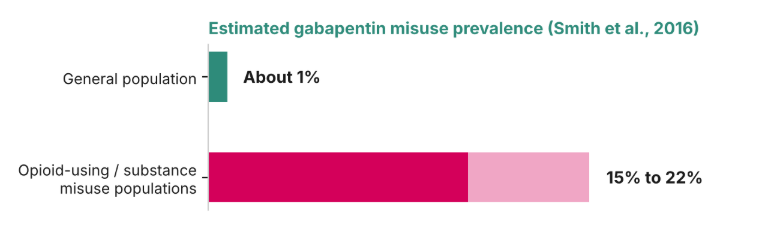
Is gabapentin a narcotic? No, and its gabapentin abuse potential is low for most patients. The risk changes sharply by population. A systematic review estimated gabapentin misuse at about 1% in the general population, but 15% to 22% among opioid-using and substance misuse populations. In one opioid-dependent cohort in that review, 22% misused gabapentin, and 40% of those with a prescription took more than prescribed1.
Reported reasons include chasing a gabapentin high (euphoria, calm, a “boost”), self-treating pain, anxiety or withdrawal, and potentiating methadone1. Can gabapentin get you high? Yes, especially at higher doses or alongside other drugs. Gabapentin dependence can develop, and stopping abruptly may trigger gabapentin withdrawal, which is why a supervised taper is generally preferred.
Gabapentin and Opioids: A Risky Combination
In December 2019, the FDA warned that gabapentinoids (gabapentin and pregabalin) can cause serious respiratory depression in patients with risk factors, including those taking opioids or other CNS depressants. Of 49 case reports the FDA reviewed, 12 people died, and all had at least one risk factor. The agency also required new studies on abuse potential, especially with opioids2.
A population-based study in Ontario found that taking gabapentin with opioids was linked to 49% higher odds of opioid-related death compared with opioids alone3. For programs managing patients on gabapentin and Suboxone or gabapentin and methadone, that overlap is a real gabapentin overdose risk. Pregabalin abuse follows a similar pattern.
Is Gabapentin a Controlled Substance?
Not at the federal level. Gabapentin is not DEA-scheduled, while pregabalin is Schedule V2. Some states have made gabapentin a Schedule V drug, and others require dispensing to be reported to their prescription monitoring program. Because gabapentin schedule rules vary by state, practices should confirm local requirements.
Does Gabapentin Show Up on a Drug Test?
Not on most standard panels. In a hospital study, gabapentin was not part of the 8-class immunoassay urine screen, yet targeted LC-MS/MS testing found it in roughly 3 in 10 urine samples from patients with suspected intoxication. About 95% of those gabapentin-positive samples also contained at least one opioid4.
A gabapentin drug test has to be ordered on purpose. At Acutis, gabapentin and pregabalin are both part of our comprehensive testing menu. How long does gabapentin stay in your system? It depends on dose, kidney function, and specimen type, since the drug is cleared largely unchanged by the kidneys. Results should always be read against the prescription record.
Signs of Gabapentin Misuse Worth Watching
- Early refill requests, “lost” prescriptions, or self-escalated doses
- Unexplained sedation, confusion, or reports of euphoria
- Gabapentin found with opioids, benzodiazepines, or alcohol
- Gabapentin present when it is not prescribed
No single sign proves misuse. These are flags for a closer clinical conversation.
Why This Matters for Treatment Centers
For pain management, behavioral health, and MAT programs, a gabapentin urine test adds context that a standard screen leaves out. It can help confirm adherence, flag nonprescribed use, and catch risky combinations before they cause harm. Testing supports clinical judgment; it does not replace it.
At Acutis, confirmatory clinical toxicology testing can provide that added context.
About Acutis Diagnostics
Acutis Diagnostics provides comprehensive clinical toxicology solutions for treatment centers and healthcare providers supporting patients with substance use disorders. To learn more about gabapentin testing, contact service@acutis.com or talk to our team.
References
- Smith RV, Havens JR, Walsh SL. Gabapentin misuse, abuse and diversion: a systematic review. Addiction. 2016;111(7):1160-1174.
- U.S. Food and Drug Administration. FDA warns about serious breathing problems with seizure and nerve pain medicines gabapentin and pregabalin. December 19, 2019.
- Gomes T, Juurlink DN, Antoniou T, et al. Gabapentin, opioids, and the risk of opioid-related death: a population-based nested case-control study. PLOS Medicine. 2017;14(10):e1002396.
- Riley SB, Garbutt K, Crow C, Isbell TS, Scalzo AJ. Gabapentin prevalence: clinical and forensic experience in St. Louis, Missouri, USA. Forensic Sciences Research. 2021;6(3):218-223.